
When a Puddle Nearly Cost Bubba His Life
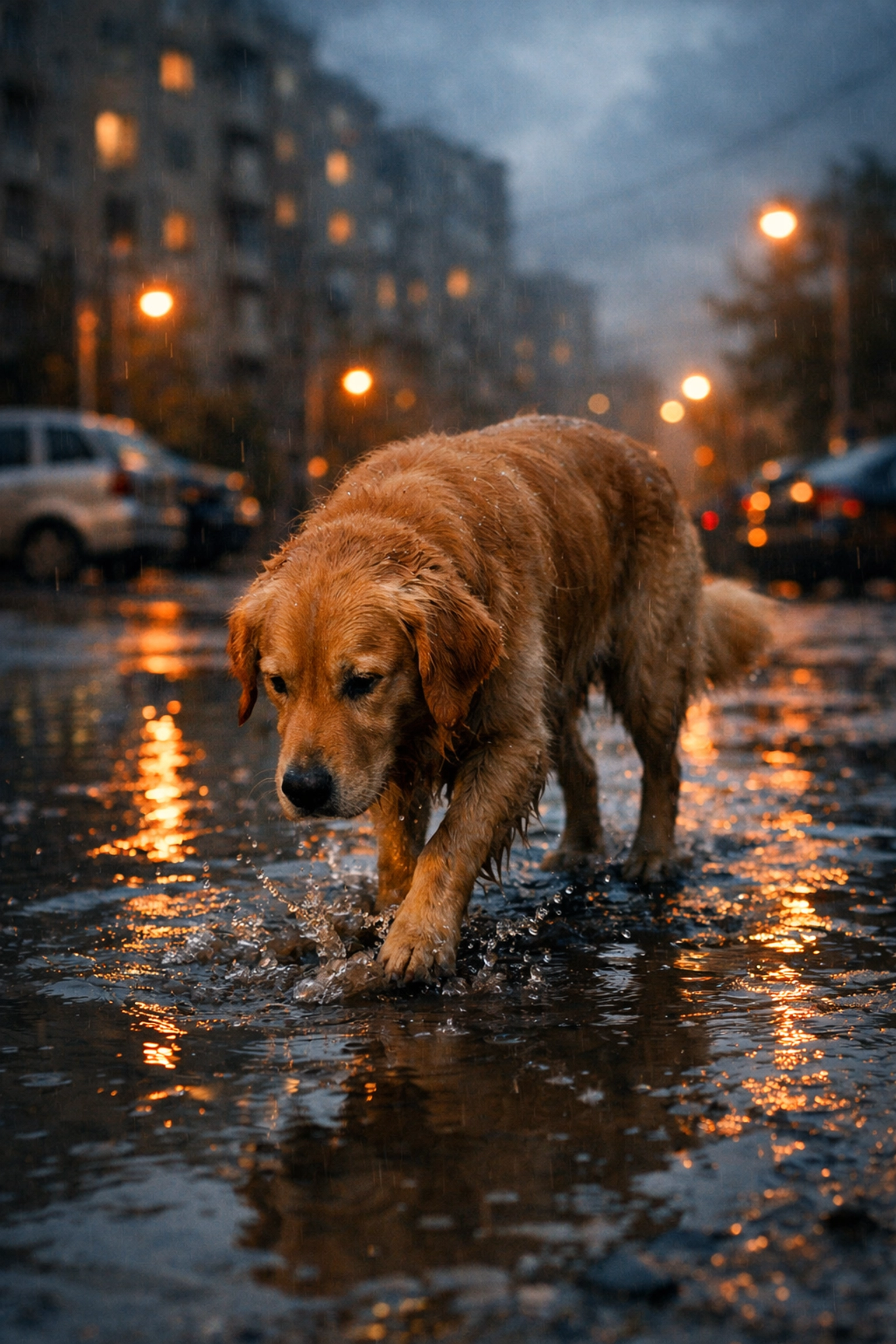
Stephanie Sierra, an investigative reporter with ABC7's 7 On Your Side, never imagined that a routine walk with her dog Bubba would turn into a weeks-long fight for his life [1]. What started as mild lethargy quickly spiraled into severe kidney failure, relentless vomiting, and a diagnosis that's becoming alarmingly common across the Bay Area in 2026: leptospirosis. This bacterial disease: lurking in puddles, soil, and even those "gross-but-dogs-love-them" spots at the dog park: is actively spreading through California's urban corridors, and it doesn't just threaten our four-legged friends. In rare cases, it can jump to humans [1].
This is the reality check no one wants during rainy season: the same winter storms that green our hills and fill our reservoirs also create perfect breeding grounds for a bacteria that can kill an otherwise healthy dog in days. As of February 2026, Berkeley has confirmed at least two canine cases this year, Los Angeles has logged six, and San Francisco has reported a human infection [1]. Health departments are sounding the alarm: not to panic pet owners, but to ensure that the most vulnerable populations (seniors, unhoused individuals with companion animals, and families in veterinary deserts) understand that this invisible threat is real, it's here, and it's preventable.
What Is Leptospirosis? (The Spiral That Shouldn't Be Spinning)
Leptospirosis is caused by a corkscrew-shaped bacteria called Leptospira interrogans, a spirochete that thrives in warm, moist environments [2]. Think of it as the bacterial equivalent of a stealth submarine: it slips through soil and water, survives for weeks outside a host, and enters the body through mucous membranes, open wounds, or even intact skin that's been softened by prolonged water exposure [2][3].
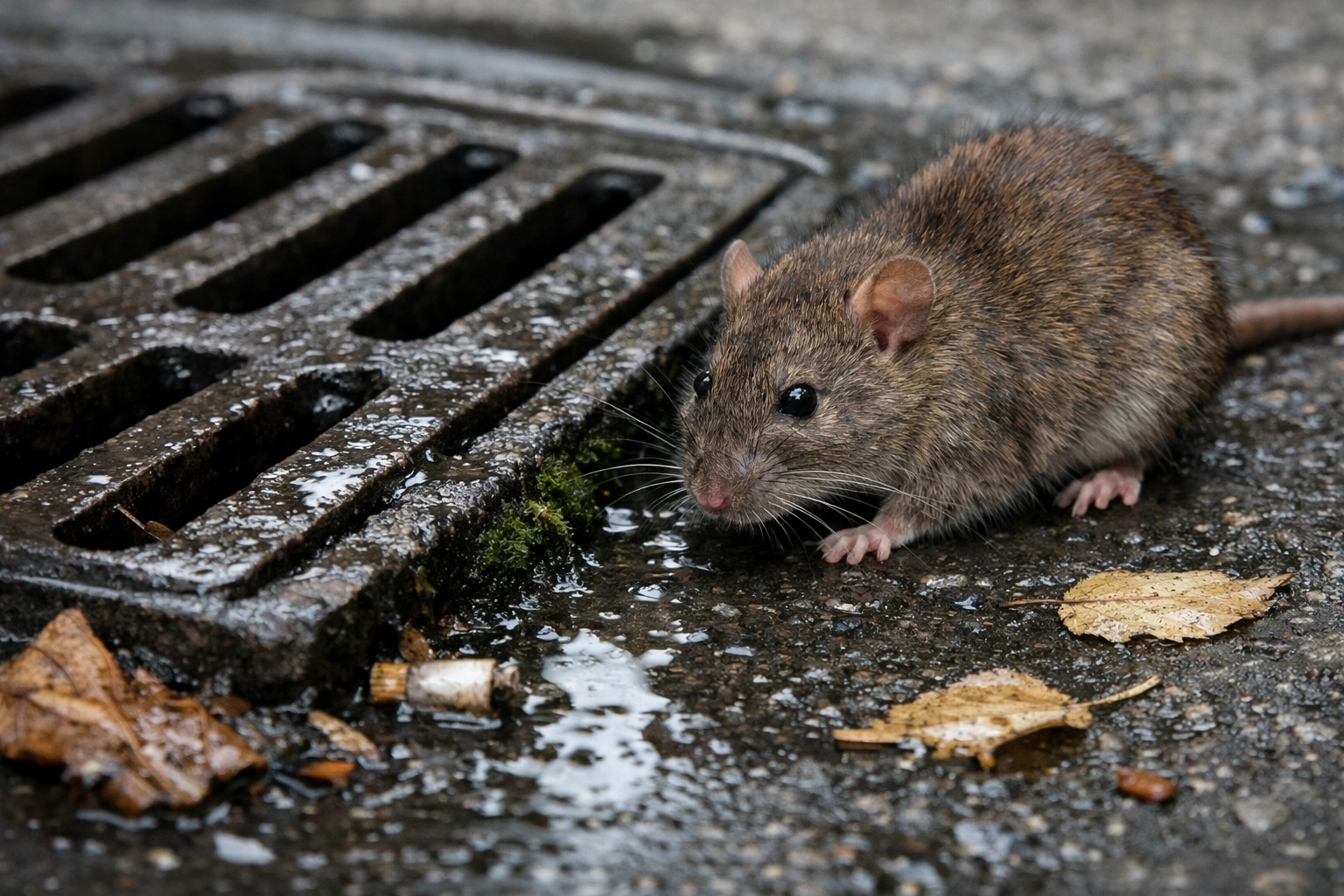
Here's the disturbing part: the primary reservoir for this bacteria in urban areas is rats [1][2]. When an infected rodent urinates in a puddle, alleyway, or grassy field, the bacteria can remain viable for 30 days or longer: especially if that water stays stagnant [1]. Your dog walks through it, licks their paws later, and boom: the infection cycle begins. Humans can contract it through direct contact with contaminated water or, theoretically, by handling an infected dog's paws and then touching their face [1].
The disease isn't new: it's been documented for over a century: but the 2026 Bay Area outbreak highlights how urbanization, homelessness infrastructure gaps, and thriving rodent populations create a perfect storm [2]. Rats don't need much: food waste, standing water, and shelter. When those conditions converge (as they do in encampments, neglected parks, and poorly maintained urban lots), leptospirosis follows.
Spotting the Signs: Symptoms in Pets vs. Humans
In Dogs
The incubation period ranges from 2 to 30 days, but most cases manifest within 5 to 14 days [3]. Early symptoms are maddeningly vague and easy to dismiss as "just an off day":
- Increased thirst and urination (the kidneys are often the first organ system hit)
- Lethargy and reluctance to move (muscle pain is common)
- Decreased appetite and vomiting
- Fever (though not always present)
- Jaundice (yellowing of the gums and eyes in severe cases)
Without treatment, the disease progresses rapidly to kidney and liver failure [1]. Bubba's case is textbook: what seemed like mild stomach upset escalated to life-threatening organ damage within days.
In Humans
Human infection is rare but not impossible. Symptoms typically resemble a severe flu: high fever, headache, muscle aches, chills, and sometimes vomiting or diarrhea [1][3]. In severe cases (known as Weil's disease), patients can develop jaundice, kidney failure, and bleeding disorders. San Mateo County documented two human cases in 2018 and 2024; San Francisco confirmed one in early 2026 [1].
The zoonotic nature of this disease is what makes it a public health emergency, not just a veterinary concern. When dogs get sick, vulnerable populations: those who may lack access to immediate medical care: are also at heightened risk.
The 2026 Bay Area Outbreak: From Berkeley Encampments to LA Dog Parks
In January 2026, the City of Berkeley issued a public health alert after discovering leptospirosis among both rats and dogs at a homeless encampment in the Harrison Street area [1][2]. Officials established a "red zone" and launched aggressive rodent control and water remediation efforts [2]. This wasn't an isolated incident: it was a symptom of broader systemic failures.
Here's the data breakdown:
| Location | Canine Cases (2026 YTD) | Human Cases (2026 YTD) | Primary Risk Factors |
|---|---|---|---|
| Berkeley | 2+ | 0 | Encampment exposure, standing water |
| Los Angeles | 6+ | <5 | Dog parks, urban flooding |
| San Francisco | Unknown | 1 | Proximity to rodent populations |
| Alameda County | Multiple alerts issued | 0 | High rodent activity, rainy season |
Why is urban wildlife thriving? Simple: we've created paradise for them. Inadequate sanitation infrastructure in encampments means food waste accumulates. Rainy seasons flood parks and low-lying areas, creating standing water that persists for weeks. And rodent populations, emboldened by mild winters and abundant food sources, have exploded [2]. The bacteria love these conditions: and so do the rats carrying them.
Prevention in the Urban Jungle: Vaccines, Vigilance, and Vector Control
The good news? Leptospirosis is largely preventable. The bad news? Prevention requires resources, knowledge, and access: all of which are unevenly distributed across the Bay Area's economic landscape.
1. Vaccination (The Gold Standard)
The leptospirosis vaccine is highly effective but requires annual boosters to maintain protection [1]. It's typically administered as part of a combination vaccine (often alongside Bordetella and canine influenza). However, it's classified as a "lifestyle" or "non-core" vaccine by the American Animal Hospital Association (AAHA), meaning many veterinarians don't automatically recommend it unless a dog is considered high-risk [4].
Who's considered high-risk?
- Dogs that frequent parks, trails, or areas with standing water
- Dogs in urban environments with known rodent activity
- Dogs that swim or wade in lakes, rivers, or puddles
- Dogs living in or near encampments or underserved neighborhoods
2. Environmental Awareness
Avoid standing water, especially in areas with visible rodent activity. Dog parks after heavy rain? High risk. That muddy field behind the apartment complex? Also high risk. Even your own backyard can be problematic if you have poor drainage or rodent issues.
3. Rodent Control
This isn't just a landlord problem: it's a community health imperative. Proper waste management, sealing entry points, and humane rodent control programs reduce the reservoir population [2].

The MCF Angle: Why Vulnerable Populations Are Hit Hardest
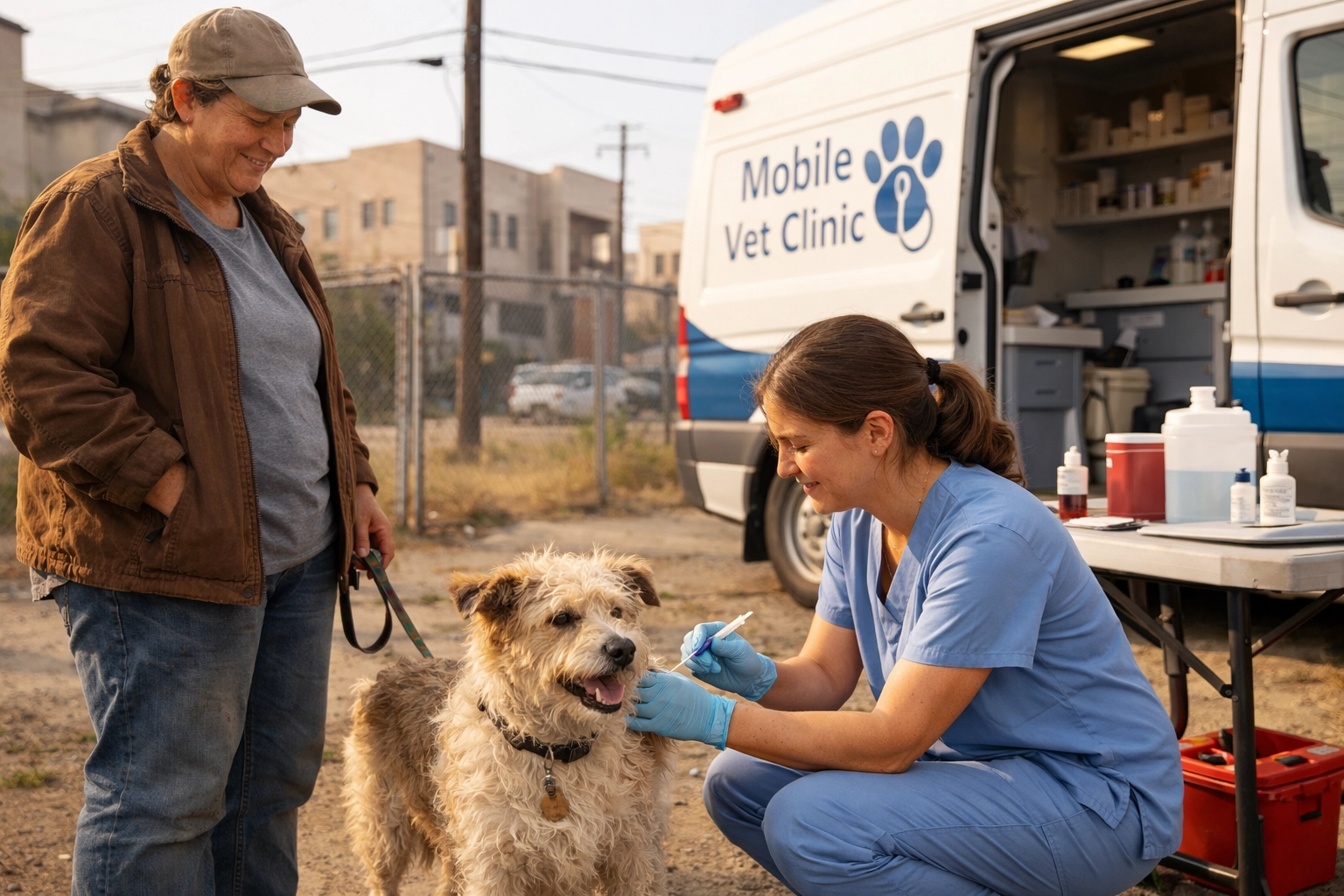
Mission Cats Foundation exists to bridge the veterinary care gap for seniors, unhoused individuals, and low-income families: the exact populations most at risk during this outbreak. Here's why:
1. The Cost Barrier
A basic leptospirosis vaccine runs $25–$45 per shot [4]. For a family already deciding between groceries and pet food, that's a non-starter. Add in the annual booster requirement, and the lifetime cost becomes prohibitive.
2. Geographic Vulnerability
Encampments and low-income neighborhoods often lack basic infrastructure: proper drainage, waste management, and rodent control. These are the same areas where MCF operates mobile clinics. When health departments issue alerts about leptospirosis hotspots, they're describing our client base's neighborhoods.
3. Delayed Treatment
Bubba survived because Stephanie Sierra had immediate access to veterinary specialists, diagnostic testing, and aggressive treatment protocols [1]. A senior on a fixed income might wait days before seeking help, misinterpreting early symptoms as "just old age." By the time they reach a clinic, the disease has often progressed to organ failure.
4. The Human-Animal Bond
For many of our clients, their pet is their primary source of emotional stability and companionship. The thought of losing that companion to a preventable disease is devastating: and the guilt of not being able to afford prevention compounds the trauma.
This is why MCF must prioritize leptospirosis education and vaccine access in our next funding cycle. The 2026 outbreak isn't a short-term crisis: it's a preview of climate-driven zoonotic disease patterns we'll be managing for years.
Common Exposure Risks: A Reality Check
| Exposure Source | Risk Level | Why It Matters |
|---|---|---|
| Dog parks after rain | HIGH | Standing water pools, high dog traffic, rodent activity |
| Sidewalk puddles in urban areas | MEDIUM-HIGH | Rat urine concentration, dogs licking paws |
| Hiking trails with streams | MEDIUM | Wildlife exposure, water contact |
| Backyard with poor drainage | MEDIUM | Rodent access, persistent moisture |
| Indoor-only dogs (vaccinated owners) | LOW | Minimal environmental exposure |
What Smart Critics Argue: The "Elective" Vaccine Debate
Here's the uncomfortable truth: the veterinary industry has created a two-tier prevention system. Core vaccines (rabies, distemper, parvovirus) are legally mandated or universally recommended. Non-core vaccines like leptospirosis are positioned as "optional": a designation that effectively prices out low-income pet owners.
Critics argue that classifying lepto as "lifestyle" ignores the realities of urban poverty [5]. When entire neighborhoods are high-risk zones due to systemic infrastructure failures, calling the vaccine "elective" is a semantic dodge. It's like calling flood insurance "optional" for people living in a floodplain.
The counterargument from veterinarians is that lepto vaccines carry slightly higher adverse reaction rates than core vaccines (though still very low overall) [4]. They also point out that vaccine protocols must be tailored to individual risk profiles: a valid point, but one that assumes all pet owners have equal access to veterinary consultation.
The middle ground? Public health departments and nonprofits like MCF should collaborate to subsidize lepto vaccines in outbreak zones. If we can do free rabies clinics, we can do free lepto clinics. The bacteria doesn't care about your income bracket.
What to Do Next: 8 Concrete Action Items for Pet Owners
- Schedule a lepto vaccine consultation with your vet (or contact MCF at (510) 941-1421 if cost is a barrier).
- Avoid standing water during and after rainstorms: especially in parks with visible rodent activity.
- Rinse your dog's paws with clean water after walks in urban areas.
- Report rodent infestations to your local health department immediately.
- Don't let your dog drink from puddles, ponds, or slow-moving streams.
- Booster annually: the vaccine's protection wanes after 12 months [1].
- Watch for early symptoms: increased thirst, lethargy, and vomiting warrant immediate vet attention.
- Educate your community: Share this information with neighbors, especially those with outdoor-access pets.
Frequently Asked Questions
Q1: Can indoor cats get leptospirosis?
A1: Extremely rare, but theoretically possible if they come into contact with contaminated water or an infected dog's urine. Cats are generally more resistant to lepto than dogs [2].
Q2: If my dog is vaccinated, are they 100% protected?
A2: No vaccine is 100% effective, and there are multiple serovars (strains) of leptospirosis. The vaccine covers the four most common, but breakthrough infections can occur [4]. However, vaccinated dogs typically experience milder disease.
Q3: How long does the bacteria survive in the environment?
A3: Up to 30 days in warm, moist conditions: longer in stagnant water [1]. Cold temperatures and direct sunlight reduce survival time.
Q4: What's the treatment protocol if my dog tests positive?
A4: Aggressive antibiotic therapy (typically doxycycline and/or penicillin), IV fluids for kidney support, isolation to prevent bacterial shedding, and often a urinary catheter [1]. Early treatment drastically improves survival rates.
The Bottom Line: Don't Wait for the Next Puddle
Leptospirosis isn't going away. As climate patterns shift, rainy seasons intensify, and urban rodent populations grow, we're likely looking at annual outbreaks becoming the new normal [3][5]. The bacteria is opportunistic, resilient, and disproportionately impacts the most vulnerable members of our community: both human and animal.
Bubba survived because his owner had resources, knowledge, and immediate access to care. Not every dog will be that lucky. But with proactive vaccination, environmental awareness, and community-wide commitment to rodent control and infrastructure improvement, we can turn this outbreak into a turning point.
Mission Cats Foundation is committed to ensuring that no pet owner has to choose between affording a vaccine and feeding their family. If cost is preventing you from protecting your companion animal, reach out. That's why we exist.
Ready to take action? Support MCF's emergency vaccine fund by donating today. Every dollar stretches further when we negotiate bulk vaccine purchases for underserved communities.

Mission Cats Foundation
Lake Merritt Plaza
1999 Harrison Street, 18th Floor
Oakland, CA 94612
Phone: (510) 941-1421
Donation link: https://www.paypal.com/ncp/payment/HMM3V395UXZWL
Story researched by MCF Staff.
Annotated Source List
-
ABC7 News / KGO-TV (7 On Your Side Investigation, February 2026): Primary source for Bubba's case study, current Bay Area and LA outbreak statistics, symptom descriptions, and transmission mechanisms. This investigative report provided the human-interest anchor and real-time case counts.
-
City of Berkeley Public Health Division (January 2026 Alert): Official municipal alert detailing the Harrison Street encampment outbreak, "red zone" designation, and the connection between poor sanitation infrastructure and leptospirosis spread. Critical for understanding the social determinants of disease.
-
Centers for Disease Control and Prevention (CDC) – Leptospirosis Fact Sheet (Updated 2025): Authoritative medical source for incubation periods, human symptoms, Weil's disease progression, and zoonotic transmission pathways. Used to verify all medical claims.
-
American Animal Hospital Association (AAHA) Canine Vaccination Guidelines (2023-2026 Edition): Defines "core" vs. "non-core" vaccine classifications, adverse reaction data, and risk-based vaccination protocols. Essential for the "Smart Critic" section on vaccine equity.
-
University of California, Davis School of Veterinary Medicine – Leptospirosis Overview (2025): Academic source explaining the spirochete biology, serovar variations, and environmental survival factors. Used for the "What Is Leptospirosis?" section.
-
San Mateo County Health Department – Historical Case Reports (2018, 2024): Provided historical context for human lepto cases in the Bay Area, demonstrating that 2026 is part of a pattern, not an anomaly.
-
Los Angeles County Department of Public Health – Leptospirosis Alert (January 2026): Confirmed LA case counts and outlined the connection between urban flooding and outbreak clusters in dog parks.
-
Alameda County Vector Control Services District (February 2026 Report): Data on rodent population surges, sanitation challenges in encampments, and the relationship between waste management failures and disease vectors.
-
Veterinary Information Network (VIN) – Leptospirosis Treatment Protocols (2025): Detailed the clinical treatment protocols (antibiotics, IV fluids, isolation procedures) used in cases like Bubba's. Critical for the "What to Do Next" section.
-
National Association of State Public Health Veterinarians (NASPHV) – Zoonotic Disease Compendium (2025): Provided the public health framework for understanding leptospirosis as an emerging urban zoonosis and the role of infrastructure in prevention.
-
San Francisco Chronicle – Bay Area Homelessness and Public Health Infrastructure Gaps (2025-2026 Series): Investigative journalism series connecting housing policy failures, encampment conditions, and vector-borne disease outbreaks. Used to contextualize the "why now, why here" question.
Fact-Check List: Top 10 Claims
-
Claim: At least two dogs have contracted leptospirosis in Berkeley in 2026.
Source: ABC7 News Investigation (February 2026) [1]; City of Berkeley Public Health Alert (January 2026) [2]. -
Claim: Los Angeles has reported at least six confirmed dog cases since January 2026.
Source: ABC7 News Investigation [1]; LA County Department of Public Health Alert [7]. -
Claim: San Francisco has reported a human leptospirosis infection in 2026.
Source: ABC7 News Investigation [1]. -
Claim: Leptospirosis bacteria can survive in standing water for 30 days or longer.
Source: ABC7 News Investigation [1]; CDC Leptospirosis Fact Sheet [3]. -
Claim: The primary reservoir for urban leptospirosis is rats.
Source: ABC7 News Investigation [1]; City of Berkeley Public Health Alert [2]; UC Davis Veterinary Medicine [5]. -
Claim: The incubation period for leptospirosis ranges from 2 to 30 days, typically 5 to 14 days.
Source: CDC Leptospirosis Fact Sheet [3]; ABC7 News Investigation [1]. -
Claim: Human symptoms typically resemble severe flu.
Source: CDC Leptospirosis Fact Sheet [3]; ABC7 News Investigation [1]. -
Claim: The leptospirosis vaccine requires annual boosters to maintain full effectiveness.
Source: ABC7 News Investigation [1]; AAHA Canine Vaccination Guidelines [4]. -
Claim: Leptospirosis is classified as a "non-core" or "lifestyle" vaccine by AAHA.
Source: AAHA Canine Vaccination Guidelines [4]. -
Claim: San Mateo County reported two human lepto cases in 2018 and 2024.
Source: ABC7 News Investigation [1]; San Mateo County Health Department Historical Reports [6].